
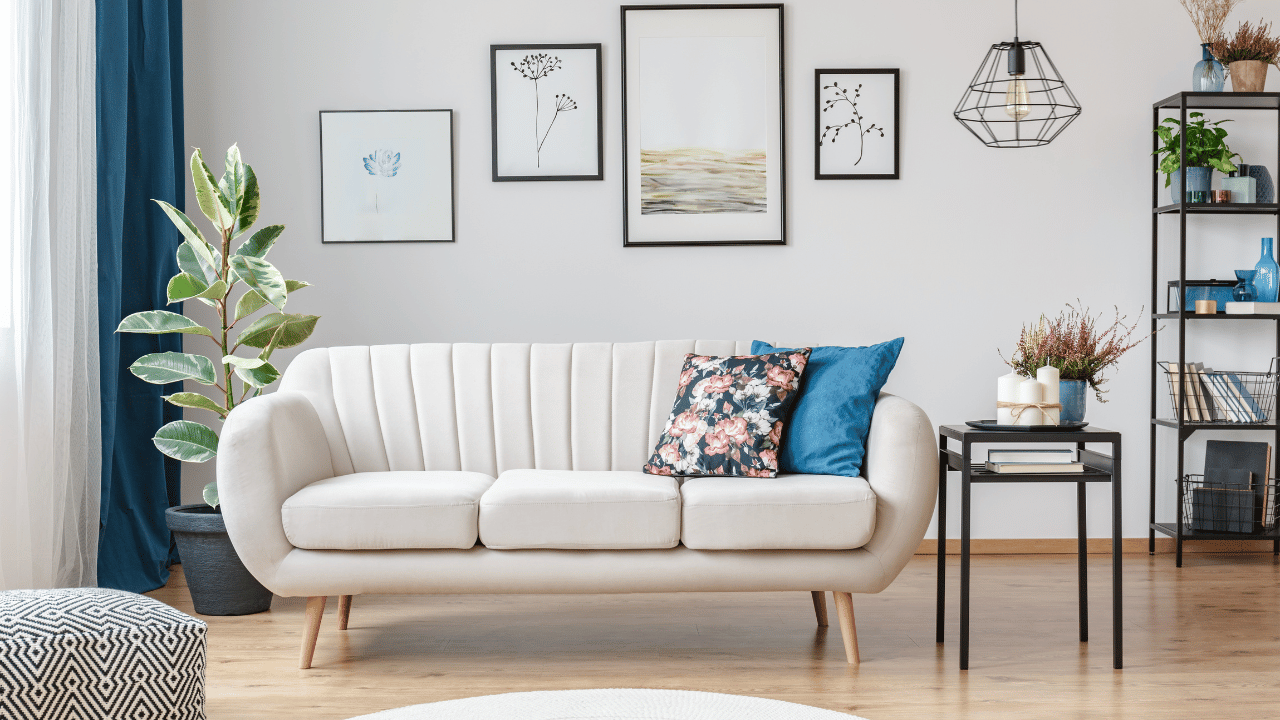
A beautifully furnished home is not necessarily a comfortable one. Sometimes even expensive furniture and attractive decorations fail to create the desired atmosphere because the room lacks proper organization. A sofa that blocks a walkway, a dining table that occupies too much space or a poorly positioned television can affect how people use and enjoy their homes.
Good interior design is about more than choosing attractive furniture. It involves understanding the available space, identifying everyday needs, and arranging each element in a way that feels natural. With a few thoughtful decisions, homeowners can create rooms that look inviting while remaining practical for everyday living.
1. Start by Understanding Your Available Space
Before purchasing new furniture or moving existing pieces, take the time to understand the dimensions of the room. Measure the length and width, identify doorways and windows, and note where electrical outlets and other fixed features are located.
These details help prevent common decorating mistakes. A large sectional sofa might look beautiful in a showroom but overwhelm a smaller living room. Similarly, a dining table that leaves little room for chairs can make everyday meals uncomfortable.
Creating a simple floor plan can make the process easier. Mark the position of major furniture pieces and consider how much walking space will remain. This small step can prevent unnecessary purchases and help homeowners make better use of their existing furniture.
2. Give Every Room a Clear Purpose
Every room should serve a specific purpose, even when it needs to accommodate multiple activities. A living room might be used for entertaining guests, watching television, reading, and spending time with family.
Understanding these activities helps determine where furniture should go. For example, seating should encourage conversation, rather than leave everyone facing different directions. A reading corner can include a comfortable armchair, a small side table, and suitable lighting.
In smaller homes, multifunctional furniture can be particularly useful. Storage ottomans, extendable dining tables, and sofa beds provide additional functionality without requiring separate pieces for every activity.
3. Arrange Furniture to Improve Movement
One of the most common interior design problems is placing furniture without considering how people move through a room. Narrow pathways, blocked doorways, and overcrowded corners can make even a spacious home feel uncomfortable.
Start with the largest furniture pieces such as sofas, beds, and dining tables. Position them first, then arrange smaller items around them. Leave enough room for people to walk comfortably between different areas.
Avoid pushing every piece of furniture against the walls simply to create an open center. In many living rooms, bringing sofas and chairs slightly inward creates a more welcoming seating arrangement. A properly positioned rug can help define the conversation area and visually connect the furniture.
4. Create Balance Without Making Everything Match
A well-designed room feels coordinated, but that does not mean every piece needs to look identical. Combining different materials, shapes, and finishes can give an interior more personality.
For example, a wooden coffee table can complement a fabric sofa, while metal lighting fixtures introduce a contemporary touch. The key is to maintain some consistency through colors, textures, or design details.
Visual balance is equally important. A large sofa on one side of the room may need to be balanced by a combination of armchairs, shelving, or decorative elements on the other side. The objective is to create a space that feels harmonious, rather than overly symmetrical.
5. Pay Attention to Lighting and Furniture Placement
Lighting can significantly influence how furniture and decorative elements appear. Natural light makes rooms feel brighter and more welcoming, so avoid positioning bulky furniture where it unnecessarily blocks windows.
Use a combination of ambient, task, and accent lighting to create different moods. Ceiling lights provide general illumination, while floor lamps and table lamps make reading or relaxing more comfortable.
Mirrors can also help reflect natural light and make smaller spaces appear more open. However, their placement should complement the room rather than create distracting reflections.
6. Avoid Overcrowding Your Interiors
Adding more furniture does not always improve a room. Too many chairs, side tables, cabinets, and decorative accessories can make an interior feel cluttered.
Before introducing a new item, consider whether it serves a practical or decorative purpose. If an existing piece is rarely used and occupies valuable space, removing it may improve the overall layout.
Storage furniture can help maintain an organized appearance. Cabinets, shelving units, and storage benches provide useful places for everyday belongings while reducing visible clutter.
7. Make Small Adjustments Before Buying New Furniture
Sometimes improving a room does not require a complete makeover. Moving a sofa, changing the position of a rug, or replacing an oversized coffee table with a smaller design can make a noticeable difference.
Homeowners looking for additional inspiration can explore this guide on how to arrange furniture to understand practical ways of handling common layout and decorating challenges.
It is also worth experimenting with different arrangements before making permanent decisions. Even small changes can improve movement, create better focal points, and make a room feel more spacious.
8. Choose Furniture That Supports Everyday Living
Furniture should complement the lifestyle of the people using it. Families with children may prioritize durable upholstery and easy-to-clean surfaces, while homeowners who frequently entertain guests may prefer larger seating arrangements and flexible dining options.
Comfort should remain a priority alongside appearance. A stylish chair that feels uncomfortable or a dining table that is difficult to maintain may not be a worthwhile investment.
Consider materials, construction, proportions, and maintenance requirements before purchasing. Choosing furniture that suits both the available space and everyday needs helps create interiors that remain attractive and functional over time.
Conclusion
Creating a comfortable home requires more than selecting attractive furniture and decorative accessories. The way each item is positioned, the amount of available space, and the relationship between different elements all influence the overall experience.
By understanding room dimensions, improving movement, maintaining visual balance, and avoiding unnecessary clutter, homeowners can make their interiors more practical and inviting. Thoughtful furniture placement allows every room to serve its purpose while reflecting the personal style of the people who live there.
https://hogdigest.com/smart-furniture-placement-how-to-create-a-comfortable-and-well-balanced-home/




0 Comments